
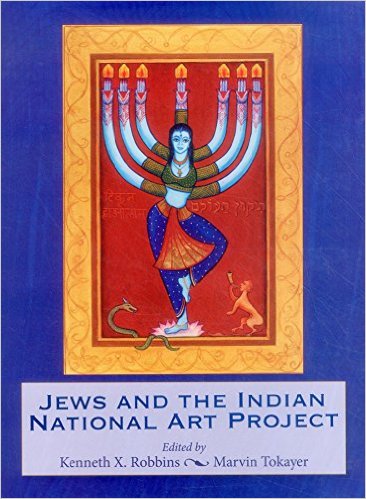
The history of Jewish performers in Indian cinema and theater is one of the most surprising and least-known chapters in the story of Indian Jewish communities. The subject of “Pearl Padamsee: Pioneering Indian Theatre Director and Actress” opens a window onto a world where Jewish identity and the demands of artistic performance intersected in ways that were often complex, sometimes contradictory, but always fascinating. From the silent film era of the 1920s to the golden age of Hindi cinema in the mid-twentieth century, Jewish actors and actresses left a mark on Indian popular culture that far exceeded what might be expected from such a small community.
Pearl Padamsee: Pioneer of Indian Theater
Pearl Padamsee was one of the most important figures in the development of modern Indian theater in English, a director and actress whose work at the Theatre Group Bombay helped establish a tradition of serious theatrical production that influenced generations of Indian theater practitioners. Her Jewish identity — she was a member of the Bene Israel community — was one element of a complex personal background that also included deep engagement with Indian theatrical traditions and Western theatrical techniques.
Her contributions to Indian theater went beyond performance to include direction, production, and the creation of institutional frameworks for theatrical work. In an era when professional English-language theater in India was finding its voice and its audience, Pearl Padamsee’s vision and energy were crucial in establishing the standards and ambitions that defined the field. Her legacy is felt not just in the productions she created but in the theatrical tradition she helped to build.
The Jewish Thread in Indian Theater
Pearl Padamsee’s career represents one thread in the broader story of Indian Jewish contributions to the arts. The Indian Jewish communities, particularly the Bene Israel of Maharashtra, produced a disproportionately large number of artists, performers, and cultural figures relative to their small population. This productivity reflected the community’s educational attainments, its urban orientation, its relative social freedom, and the cosmopolitan cultural environment of Bombay in which so many community members lived and worked.
For Pearl Padamsee and others like her, Jewish identity and Indian cultural contribution were not in tension but were complementary aspects of a complex personal and professional identity. Her work enriched Indian theater while she maintained her connection to the Bene Israel community and its traditions — a living demonstration of the possibility of being simultaneously fully Indian and fully Jewish.
Preserving Indian Jewish Heritage for Future Generations
The task of preserving Indian Jewish heritage is one of the most urgent cultural projects in the contemporary Jewish world. As the communities that created this heritage continue to shrink through emigration and natural attrition, the window for capturing living memories, traditional practices, and community knowledge is narrowing rapidly. Every year, elderly community members pass away, taking with them irreplaceable firsthand knowledge of how Jewish life was actually lived in the Bene Israel villages of Maharashtra, the Jewish neighborhoods of Cochin, or the commercial districts of Calcutta and Bombay where Baghdadi Jewish families built their businesses and synagogues.
The response of scholars, community organizations, and cultural institutions to this challenge has been energetic and multifaceted. Oral history projects have recorded interviews with elderly community members in India, Israel, and the diaspora. Digital archives have made historical photographs, documents, and recordings accessible to researchers and community members around the world. Museum exhibitions have introduced Indian Jewish heritage to audiences who might otherwise never encounter it. And writers, artists, and filmmakers from within and outside the community have created new works that carry Indian Jewish stories and traditions into the contemporary cultural conversation.
The Place of Indian Jews in the Larger Jewish Story
The history of India’s Jewish communities occupies a distinctive and important place in the broader story of the Jewish diaspora. Unlike the often traumatic histories of Jewish communities in Europe and the Middle East — marked by persecution, pogroms, forced conversions, and the Holocaust — the Indian Jewish story is predominantly one of peaceful coexistence, communal autonomy, and cultural creativity within a tolerant host society. This positive experience does not diminish or contradict the difficult experiences of other Jewish communities; it demonstrates that the relationship between Jews and their host societies is shaped by specific historical circumstances rather than by any inevitable dynamic of conflict.
The Indian Jewish communities offer evidence that Jewish identity can be maintained across many centuries of geographic isolation and cultural interchange without requiring either segregation from the surrounding society or assimilation into it. The Bene Israel maintained their Jewish identity across what may be two thousand years of life in Maharashtra while becoming genuinely Indian in language, culture, and social orientation. The Cochin Jews built a thriving community under the protection of local Hindu rulers while maintaining Hebrew literacy and connections to the broader Jewish world. The Baghdadi Jews created cosmopolitan communities in Calcutta and Bombay that participated fully in both the British imperial system and the commercial networks of the Indian Ocean world while maintaining the religious traditions of the ancient Jewish communities of Iraq.