
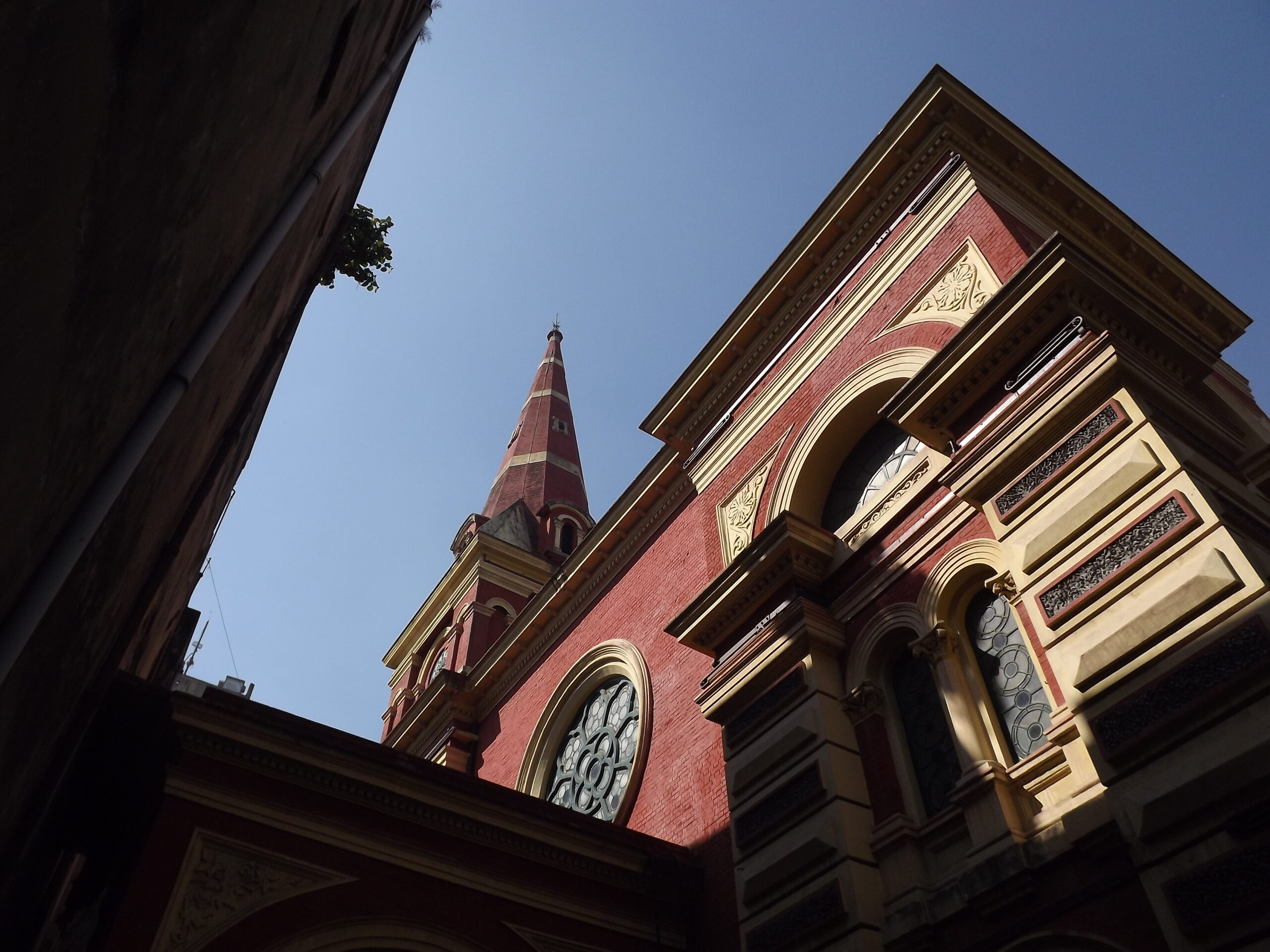
Understanding the Indian Jewish Experience in Historical Context
The story of India’s Jewish communities cannot be properly understood without appreciating the specific historical circumstances that shaped it. Judaism arrived in India through multiple routes over many centuries, creating communities that were diverse in their origins, their practices, and their social positions but united by their adherence to Jewish tradition and their identification with the Jewish people. The Bene Israel of Maharashtra, possibly descended from Jewish settlers who arrived before the Common Era; the Cochin Jews of Kerala, present for at least two thousand years under the protection of Hindu rulers; and the Baghdadi Jews of Calcutta and Bombay, arriving in the late eighteenth century from Iraq and the broader Middle East — each community had its own distinct history but shared the experience of being Jewish in India.
What makes the Indian Jewish story distinctive in the broader context of Jewish history is the nature of the host society in which these communities developed. India under Hindu rule provided a social environment quite unlike the Christian Europe or Muslim Middle East where most Jewish communities spent the Common Era. The absence of organized anti-Jewish persecution, the recognition of Jews as a legitimate minority community with rights to self-governance in religious matters, and the broadly tolerant character of Hindu social philosophy all contributed to a Jewish experience in India that was, by the standards of most Jewish diasporic history, remarkably peaceful.
India and Israel: A Special Bond
The relationship between India and Israel, shaped in significant part by the connections created by the Indian Jewish communities, is one of the most important bilateral relationships in the contemporary geopolitical landscape. India and Israel established full diplomatic relations in 1992, ending decades of Indian support for Palestinian causes that had prevented formal recognition of Israel. Since then, the relationship has grown rapidly, encompassing defense cooperation, technology transfer, agricultural development, and deepening people-to-people connections driven by the large Indian Jewish community in Israel and the growing Indian presence in Israel’s technology sector.
The Indian Jewish communities of Israel serve as a human bridge between the two countries. Their presence in Israel keeps alive the memory and the reality of Jewish life in India, while their connections to family and community in India maintain personal ties that give meaning to the diplomatic relationship. For both countries, the Indian Jewish story is evidence that the relationship between Indian and Jewish civilization has deep roots that long predate the modern political relationship — roots that make the contemporary friendship between the two countries feel like the fulfillment of an ancient connection rather than a new arrangement.
Related Reading
- The Four Communities of Indian Jews: An Overview
- The Bene Israel of Maharashtra
- The Jews of Cochin
- The Baghdadi Jews of Mumbai and Kolkata
- Books on the Jews of India
The immigration of Bnei Menashe families to Israel is not a single event but an ongoing process that has been unfolding for decades, as each new cohort of approved immigrants packs their belongings, says goodbye to the villages and towns of Manipur and Mizoram where their families have lived for generations, and boards a flight to a country most of them have never visited but have always considered their homeland. For each family that makes this journey, the experience is unique, shaped by their specific circumstances, their expectations, and the particular moment in the community’s evolving relationship with Israel and the Jewish world at which their immigration takes place.
The Final Preparations
In the weeks before immigration, Bnei Menashe families undergo a period of intense preparation that combines practical logistics with profound emotional processing. Household goods must be sorted, with only the most essential items being taken on the journey; the rest must be given away, sold, or left behind for family members who have not yet received immigration approval. Farewells must be said to neighbors, friends, and extended family members who may not see the departing family again for years or decades. And the community synagogue that has been the center of Jewish life in the village must be visited one last time for a final prayer before departure.
The prayers offered at this final synagogue visit have a specific liturgical character: they are prayers of gratitude for the opportunity to return to the ancestral homeland, prayers for the safety of the journey, and prayers for the wellbeing of those being left behind. The emotional weight of these prayers, offered in a Hebrew that the community has studied for years precisely in preparation for this moment, is considerable.
Arrival in Israel
The experience of arriving in Israel for the first time is one that Bnei Menashe immigrants describe with remarkable consistency. The descent toward Ben Gurion Airport, the sight of the Israeli landscape from the airplane window, the first steps on Israeli soil: these are moments that carry an emotional charge far exceeding what might be expected from a simple change of residence. For people who have organized their entire adult lives around the aspiration of being in this place, arriving is not merely the end of a journey but the beginning of a transformation.
The reception at the airport, organized by Shavei Israel and other supporting organizations, provides both practical assistance and symbolic welcome. Community members who have already made aliyah may be present to greet their relatives; Israeli officials process the immigration paperwork; and the new arrivals receive their first Israeli identification documents. The combination of bureaucracy and welcome is quintessentially Israeli: efficient, occasionally chaotic, and in its own way deeply moving.
Beginning Again
In the days following arrival, the practical work of beginning a new life in Israel begins in earnest. Children are enrolled in Hebrew-medium schools where they will quickly acquire the language fluency that their parents may take longer to develop. Adults begin the ulpan, the intensive Hebrew language program designed for new immigrants, while also navigating the practical requirements of finding housing, accessing healthcare, and understanding the Israeli social system. The learning curve is steep, but the community networks already established by earlier Bnei Menashe immigrants in Israel provide support and orientation that make the transition more manageable.