
Published by Viking (Penguin India) in 2002, Book of Esther is a 394-page novel by Esther David, an Indian Jewish author, artist, and sculptor born in 1945 into a Bene Israel Jewish family in Ahmedabad, Gujarat. The novel forms part of an extended body of fiction and nonfiction through which David has chronicled Bene Israel Jewish life in Ahmedabad across multiple decades, distinguishing itself from her later, Sahitya Akademi Award-winning Book of Rachel (2006) while sharing its deep grounding in the specific texture of Bene Israel family life in Gujarat.
An Artist’s Path Into Fiction
Esther David’s route to becoming one of India’s most distinctive Jewish literary voices ran through visual art rather than literature. The daughter of Reuben David, a hunter-turned-veterinarian who founded Ahmedabad’s Kamala Nehru Zoological Garden, and Sarah, a schoolteacher, David studied fine arts and art history at Maharaja Sayajirao University of Baroda, training under the sculptor Sankho Chaudhary before returning to Ahmedabad to teach art history and art appreciation at institutions including Sheth Chimanlal Nagindas Fine Arts College, CEPT University, and NIFT. She built a parallel career as an art critic for the Times of India and as a columnist for Femina and other major Indian publications before turning her attention more fully to book-length fiction and nonfiction centered on her own Bene Israel Jewish heritage.
This background as a working visual artist and art critic shapes the distinctive sensibility that runs through David’s fiction, including Book of Esther: a strong attention to visual and sensory detail, an interest in domestic and material culture, and a willingness to render family life with the same close, observational attention she brought to her career analyzing paintings and sculpture.
A Multi-Generational Bene Israel Family Saga
Book of Esther traces a Bene Israel Jewish family’s life across multiple generations in Ahmedabad, using the intimate lens of domestic and family experience to illuminate the broader historical experience of a small Jewish community navigating life within a much larger Hindu and Muslim social world in Gujarat. Rather than presenting a chronological historical account in the manner of academic studies on the Bene Israel community, David’s novel works through the accumulated weight of family memory, ritual, and everyday domestic detail, offering readers an intimate, felt sense of what it meant to sustain Jewish identity and practice within a specific regional and family context across a period of significant social and political change in India.
This approach distinguishes David’s fiction from both the academic historiography of scholars like Nathan Katz and Shirley Isenberg and from the short-story collections of contemporaries like Sophie Judah, whose Dropped from Heaven similarly draws on Bene Israel family experience but through a different narrative structure and geographic focus. Where Judah’s stories range across the wider Bene Israel diaspora, David’s novels, including Book of Esther, remain rooted specifically in Ahmedabad, a city whose small but historically significant Bene Israel Jewish community has received considerably less scholarly and literary attention than the larger Bene Israel populations of Bombay and the Konkan coast.
A Body of Work Built Around One Community
David’s bibliography reveals just how thoroughly she has committed her literary career to documenting Bene Israel Jewish life in Ahmedabad from multiple angles. Beyond Book of Esther and Book of Rachel, she has written The Walled City (1997), My Father’s Zoo (2007, drawing on her father’s founding of Ahmedabad’s zoological garden), Shalom India Housing Society (2007), The Man with Enormous Wings (2010), Bombay Brides (2019), and the cookbook Bene Appétit, which documents the culinary traditions of India’s five Jewish communities. Taken together, this body of work represents one of the most sustained single-author literary explorations of Indian Jewish identity produced by any writer, spanning fiction, memoir-adjacent writing, and food history across more than two decades of publication.
The Hadassah-Brandeis Institute recognized this achievement by featuring David in its 2010-2011 calendar honoring twelve Jewish women authors worldwide whose writing illuminates a particular city, situating her alongside other international Jewish women writers whose work is closely tied to specific urban settings — in David’s case, Ahmedabad, a city rarely associated with Jewish history in the wider popular imagination but rendered vividly present through her fiction.
Why Book of Esther Matters
For readers of Indian Jewish literature, Book of Esther offers a valuable counterpoint to both academic histories and the more diaspora-spanning fiction of writers like Sadia Shepard and Sophie Judah. Its tight geographic and family focus on Ahmedabad’s Bene Israel community, filtered through an author whose training as a visual artist gives her prose a distinctive attentiveness to material and sensory detail, makes it an important entry point for understanding a regional variant of Bene Israel Jewish experience that has otherwise received comparatively little literary or scholarly attention.
Ahmedabad’s Small but Historic Jewish Presence
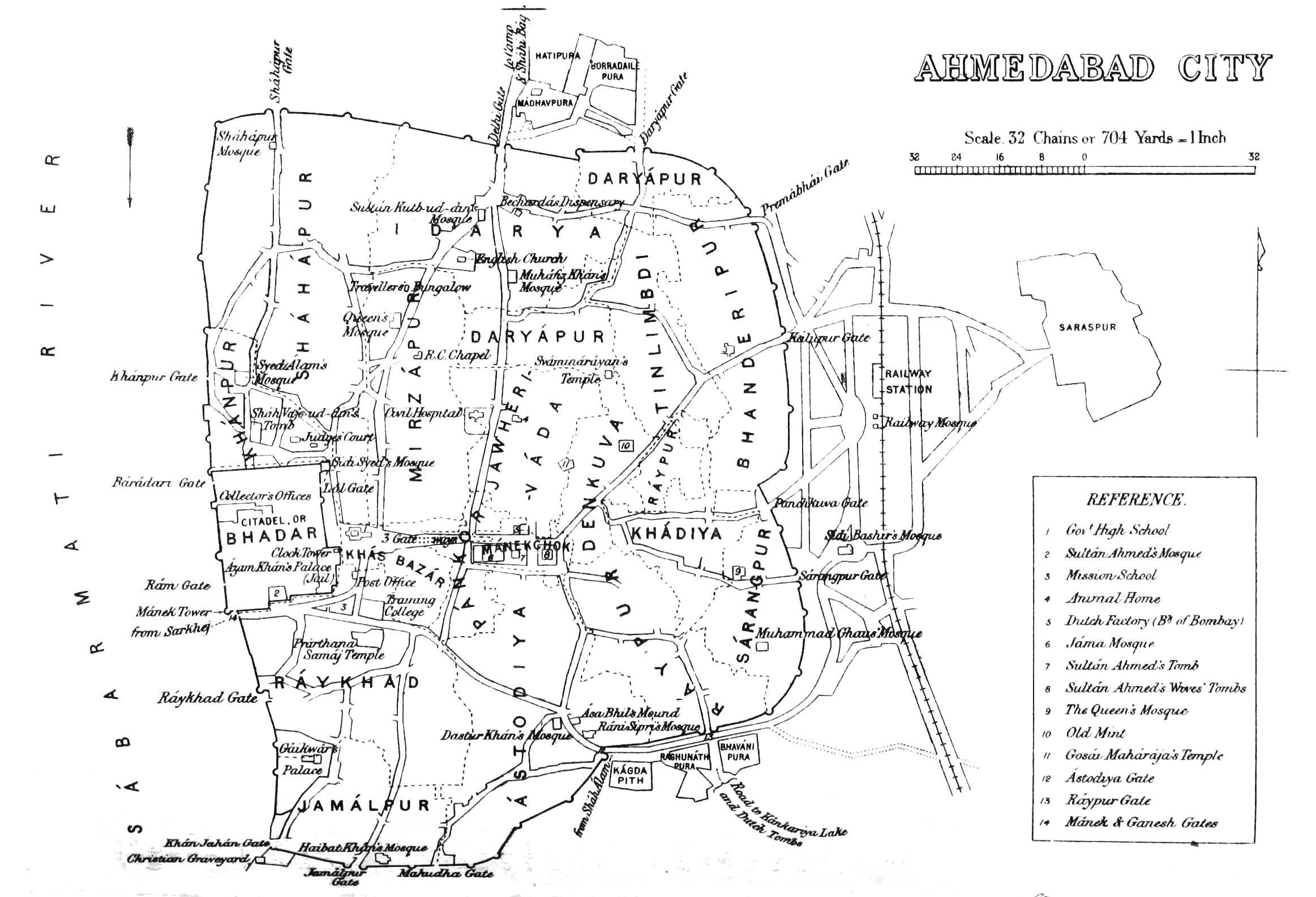
Ahmedabad’s Bene Israel Jewish community, while never approaching the size of Bombay’s, developed its own distinct communal institutions and history over the course of the nineteenth and twentieth centuries, as Bene Israel families migrated from the Konkan coast into Gujarat’s textile-manufacturing economy and other commercial and professional sectors. A functioning synagogue and small but active community persisted in Ahmedabad well into the twentieth century, even as the community’s numbers, like those of Bene Israel communities elsewhere in India, declined substantially following large-scale emigration to Israel after 1948. David’s decision to root her entire fictional project in this specific, less-documented regional community, rather than the more frequently studied Bombay Bene Israel population, gives her work a particular value as a record of a corner of Indian Jewish life that might otherwise have received little sustained literary attention.
Her father’s founding of the Kamala Nehru Zoological Garden further illustrates a pattern common among Bene Israel families in Gujarat: deep civic engagement and institution-building within the broader Ahmedabad community, alongside continued adherence to Jewish religious practice and identity within the home and synagogue. This dual engagement — civic integration paired with religious distinctiveness — runs as a consistent thread through David’s fiction, including Book of Esther, offering readers a nuanced picture of how one Bene Israel family navigated both worlds across multiple generations.
Fiction as Historical Record
Novels like Book of Esther occupy a distinctive place in the broader project of documenting Indian Jewish history, standing apart from academic monographs and community-authored chronicles while still performing much the same essential function: preserving the texture, detail, and emotional reality of a small community’s lived experience for readers who might otherwise encounter only the broad demographic and historical outlines found in scholarly literature. For anyone seeking a fuller, more intimate understanding of Bene Israel Jewish life in Gujarat specifically, David’s novel remains an essential and still under-recognized contribution to Indian Jewish literature.
Specific plot details of Book of Esther are not extensively documented in independently verifiable sources beyond publisher summaries and brief reviews, and this account does not speculate about narrative specifics beyond what is reliably confirmed: a 394-page novel published by Viking in 2002, tracing a Bene Israel Jewish family across generations in Ahmedabad. What is well established is David’s broader literary project and its significance within Indian Jewish letters. Her recognition through the Sahitya Akademi Award for Book of Rachel in 2010 brought wider national attention to her earlier work as well, including Book of Esther, encouraging new readers to explore the fuller arc of her Ahmedabad-centered fiction.
For researchers and general readers building a fuller picture of India’s diverse Jewish literary output, placing Book of Esther alongside David’s other Ahmedabad-focused works, as well as alongside the Bombay-centered fiction of Sadia Shepard and the diaspora-spanning short stories of Sophie Judah, offers a richer and more geographically complete sense of how India’s small but historically significant Bene Israel Jewish community has been represented in contemporary Indian literature.