
Sculpture and three-dimensional art have been important dimensions of Indian Jewish artistic expression, particularly in the modern era when artists from these communities began engaging with Western and Indian sculptural traditions alongside their Jewish heritage. The subject of “Esther David: Indian Jewish Author, Artist, and Sculptor” opens a window onto the world of Indian Jewish sculptors — artists whose work reflects the complex interplay of traditions that has characterized Indian Jewish cultural life throughout its history.
Esther David: The Multi-Dimensional Artist
Esther David is known primarily as a novelist and writer of the Bene Israel community, but her artistic practice encompasses visual art and sculpture alongside her literary work. This multi-dimensional creative practice reflects the breadth of the Bene Israel community’s cultural engagement and the particular creative sensibility that comes from inhabiting multiple cultural worlds simultaneously.
David’s visual art, like her writing, draws on both Jewish and Indian sources. The symbols, stories, and aesthetic traditions of the Bene Israel community inform her visual work as surely as they do her fiction, creating a coherent artistic vision that expresses itself across multiple media. Her sculpture, painting, and illustration complement her written work to create a comprehensive artistic engagement with the Indian Jewish experience.
Visual Art and Literary Expression
The combination of literary and visual practice in the work of artists like Esther David reflects a tradition of multi-media creativity within the Indian Jewish community. Artists who work across multiple forms — writing, painting, sculpture, performance — create a richer and more complete representation of their community’s heritage than any single medium could provide. The different forms reach different audiences and preserve different dimensions of the cultural experience they document.
Esther David’s sustained engagement with Bene Israel heritage across decades and across multiple artistic forms makes her one of the most important cultural figures in the contemporary Indian Jewish community. Her work ensures that the specific texture of Bene Israel life in India — its rituals, its foods, its social relationships, its landscapes — is preserved in art forms that can outlast the community’s physical presence.
Preserving Indian Jewish Heritage for Future Generations
The task of preserving Indian Jewish heritage is one of the most urgent cultural projects in the contemporary Jewish world. As the communities that created this heritage continue to shrink through emigration and natural attrition, the window for capturing living memories, traditional practices, and community knowledge is narrowing rapidly. Every year, elderly community members pass away, taking with them irreplaceable firsthand knowledge of how Jewish life was actually lived in the Bene Israel villages of Maharashtra, the Jewish neighborhoods of Cochin, or the commercial districts of Calcutta and Bombay where Baghdadi Jewish families built their businesses and synagogues.
The response of scholars, community organizations, and cultural institutions to this challenge has been energetic and multifaceted. Oral history projects have recorded interviews with elderly community members in India, Israel, and the diaspora. Digital archives have made historical photographs, documents, and recordings accessible to researchers and community members around the world. Museum exhibitions have introduced Indian Jewish heritage to audiences who might otherwise never encounter it. And writers, artists, and filmmakers from within and outside the community have created new works that carry Indian Jewish stories and traditions into the contemporary cultural conversation.
The Place of Indian Jews in the Larger Jewish Story
The history of India’s Jewish communities occupies a distinctive and important place in the broader story of the Jewish diaspora. Unlike the often traumatic histories of Jewish communities in Europe and the Middle East — marked by persecution, pogroms, forced conversions, and the Holocaust — the Indian Jewish story is predominantly one of peaceful coexistence, communal autonomy, and cultural creativity within a tolerant host society. This positive experience does not diminish or contradict the difficult experiences of other Jewish communities; it demonstrates that the relationship between Jews and their host societies is shaped by specific historical circumstances rather than by any inevitable dynamic of conflict.
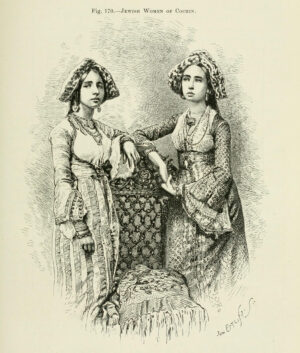
The Indian Jewish communities offer evidence that Jewish identity can be maintained across many centuries of geographic isolation and cultural interchange without requiring either segregation from the surrounding society or assimilation into it. The Bene Israel maintained their Jewish identity across what may be two thousand years of life in Maharashtra while becoming genuinely Indian in language, culture, and social orientation. The Cochin Jews built a thriving community under the protection of local Hindu rulers while maintaining Hebrew literacy and connections to the broader Jewish world. The Baghdadi Jews created cosmopolitan communities in Calcutta and Bombay that participated fully in both the British imperial system and the commercial networks of the Indian Ocean world while maintaining the religious traditions of the ancient Jewish communities of Iraq.