
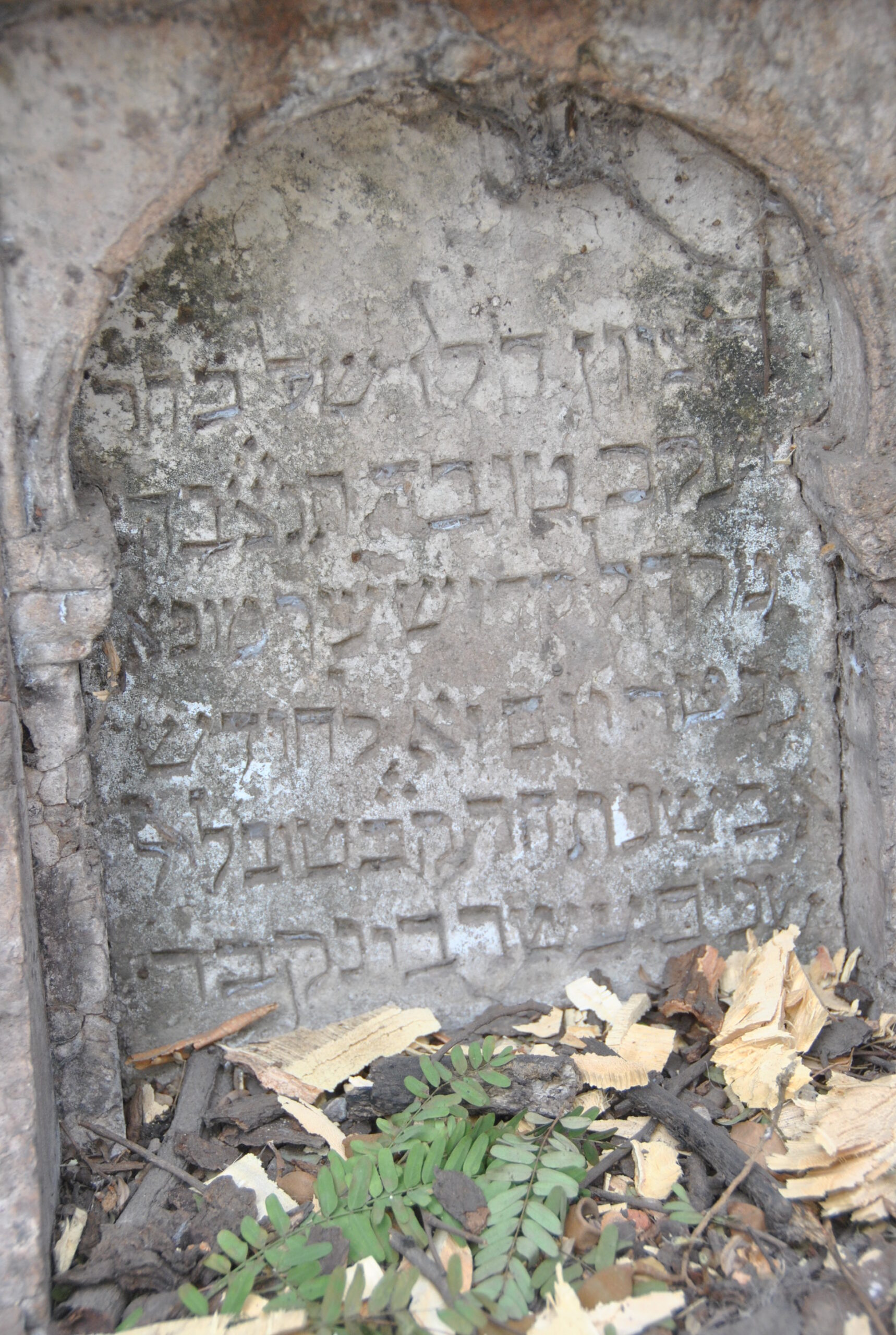
The visual arts have been an important medium of expression for Indian Jewish culture, particularly in the modern era when artists from these communities began engaging with both Indian and international art traditions. The subject of “The Magnes Collection Documents Jewish Art and Life from India” offers a window into the world of Indian Jewish artistic creativity — a world where the ancient heritage of Jewish visual expression meets the rich visual traditions of the Indian subcontinent.
Documenting Indian Jewish Art
The visual heritage of India’s Jewish communities encompasses far more than the work of individual artists. It includes the decorative arts of the synagogues — the Torah mantles, the Aron Kodesh (Torah ark) ornaments, the Hanukkah lamps, the Passover plates and Seder accessories — that were produced by and for these communities over the centuries. It includes the painted tiles, the carved wooden panels, and the architectural ornamentation of the synagogue buildings themselves. And it includes the folk art, the domestic objects, and the ceremonial items that furnished the homes and marked the religious occasions of Jewish families in India.
Museums and archives that have collected and documented these material remains of Indian Jewish visual culture perform an important preservation function. The Magnes Collection of Jewish Art and Life at UC Berkeley, the Jewish Museum in New York, and various Israeli museums have all acquired materials related to Indian Jewish visual heritage. These collections preserve objects that might otherwise have been lost as communities dispersed and institutions closed, and they make these materials available for study and appreciation by scholars and the general public.
The Intersection of Jewish and Indian Visual Traditions
The decorative arts of Indian Jewish communities reflect a fascinating synthesis of Jewish and Indian visual vocabularies. The Hebrew letters and Star of David that mark these objects as Jewish are set within frames and surrounded by ornamental patterns drawn from local Indian artistic traditions. The architectural details of Indian synagogues combine Jewish requirements (the orientation toward Jerusalem, the placement of the Torah ark and reading desk) with Indian building traditions, materials, and decorative styles.
This visual synthesis is itself a form of cultural documentation — evidence of the genuine integration of Jewish communities into the visual culture of their Indian environments. The objects they made and used testify to communities that were fully immersed in Indian life while maintaining the distinctively Jewish character of their religious practice and communal identity.
Preserving Indian Jewish Heritage for Future Generations
The task of preserving Indian Jewish heritage is one of the most urgent cultural projects in the contemporary Jewish world. As the communities that created this heritage continue to shrink through emigration and natural attrition, the window for capturing living memories, traditional practices, and community knowledge is narrowing rapidly. Every year, elderly community members pass away, taking with them irreplaceable firsthand knowledge of how Jewish life was actually lived in the Bene Israel villages of Maharashtra, the Jewish neighborhoods of Cochin, or the commercial districts of Calcutta and Bombay where Baghdadi Jewish families built their businesses and synagogues.
The response of scholars, community organizations, and cultural institutions to this challenge has been energetic and multifaceted. Oral history projects have recorded interviews with elderly community members in India, Israel, and the diaspora. Digital archives have made historical photographs, documents, and recordings accessible to researchers and community members around the world. Museum exhibitions have introduced Indian Jewish heritage to audiences who might otherwise never encounter it. And writers, artists, and filmmakers from within and outside the community have created new works that carry Indian Jewish stories and traditions into the contemporary cultural conversation.
The Place of Indian Jews in the Larger Jewish Story
The history of India’s Jewish communities occupies a distinctive and important place in the broader story of the Jewish diaspora. Unlike the often traumatic histories of Jewish communities in Europe and the Middle East — marked by persecution, pogroms, forced conversions, and the Holocaust — the Indian Jewish story is predominantly one of peaceful coexistence, communal autonomy, and cultural creativity within a tolerant host society. This positive experience does not diminish or contradict the difficult experiences of other Jewish communities; it demonstrates that the relationship between Jews and their host societies is shaped by specific historical circumstances rather than by any inevitable dynamic of conflict.
The Indian Jewish communities offer evidence that Jewish identity can be maintained across many centuries of geographic isolation and cultural interchange without requiring either segregation from the surrounding society or assimilation into it. The Bene Israel maintained their Jewish identity across what may be two thousand years of life in Maharashtra while becoming genuinely Indian in language, culture, and social orientation. The Cochin Jews built a thriving community under the protection of local Hindu rulers while maintaining Hebrew literacy and connections to the broader Jewish world. The Baghdadi Jews created cosmopolitan communities in Calcutta and Bombay that participated fully in both the British imperial system and the commercial networks of the Indian Ocean world while maintaining the religious traditions of the ancient Jewish communities of Iraq.
Related Reading
Learn more: Explore the Magnes Collection