
The piyyutim (singular: piyyut) are liturgical poems and songs that form the musical soul of Jewish worship. Every Jewish community has developed its own distinctive piyyutim tradition, and the Cochin Jews of Kerala are no exception. The Cochin Jewish piyyutim are among the most distinctive and musically rich in the entire Jewish world, combining the melodic structures of Kerala classical music with Hebrew and Judeo-Malayalam texts to create a devotional music unlike any other.
What Are Piyyutim?
Piyyutim are liturgical poems — originally intended as embellishments to the standard prayer service — that were composed by Jewish poets from the Land of Israel, Babylon, and communities throughout the diaspora. They are sung to specific melodies and are associated with particular occasions in the Jewish calendar: High Holidays, Shabbat, Passover, weddings, and other life-cycle events. While the texts are usually in Hebrew or Aramaic, the melodies often reflect the musical traditions of the community where the piyyutim were composed or adopted.
Cochin Jewish Piyyutim: A Kerala Sound
The Cochin Jewish piyyutim tradition draws deeply from Kerala musical culture. The melodies use the ragas and rhythmic patterns of South Indian classical music, giving them a distinctive sound that immediately identifies them as from the Kerala Jewish community. When Cochin Jews sing piyyutim for Shabbat or for weddings, the music can sound simultaneously Hebrew in its texts and unmistakably Keralite in its melody and ornamentation. This fusion is the result of centuries of cultural interaction between the Jewish community and the broader Kerala society.
The Women’s Song Tradition
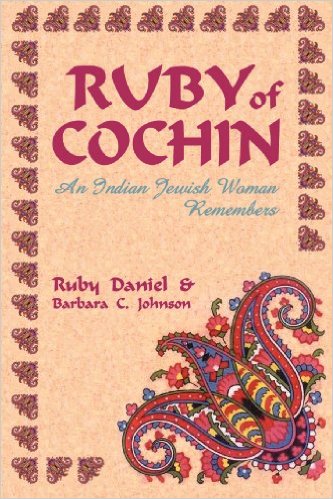
A particularly important aspect of Cochin Jewish piyyutim is the role of women. While women in many traditional Jewish communities were excluded from leading prayer, Cochin Jewish women developed a rich parallel tradition of Hebrew and Judeo-Malayalam songs for home observance, lifecycle events, and festivals. These women’s songs were transmitted orally from mother to daughter for generations and represent an important and often overlooked aspect of Cochin Jewish cultural heritage.
Preservation and Documentation
As the Cochin Jewish community declined in India through emigration to Israel, ethnomusicologists and community activists worked to document the piyyutim tradition before it was lost. Recordings were made in Kerala and in Israel, where Cochin Jewish communities preserved their singing traditions in immigrant neighborhoods. Academic studies and community publications have helped preserve the texts and melodies of this tradition. In Israel, the Or Torah Synagogue in the Moshav Nehalim is one of the centers where Cochin Jewish piyyutim are still performed.
Living Tradition in Israel
The Cochin Jewish immigrants who settled in Israel brought their piyyutim tradition with them. In the moshavim (cooperative farming villages) where many Cochin Jews settled, including Nehalim, Aviezer, and Meshar, the musical tradition was kept alive through community gatherings, synagogue services, and cultural festivals. Today, a younger generation of Israeli-born descendants of Cochin Jewish immigrants is discovering and reconnecting with this music, ensuring its survival into the 21st century.
For more on Cochin Jewish heritage, see the Cochin Jews section of this website.