
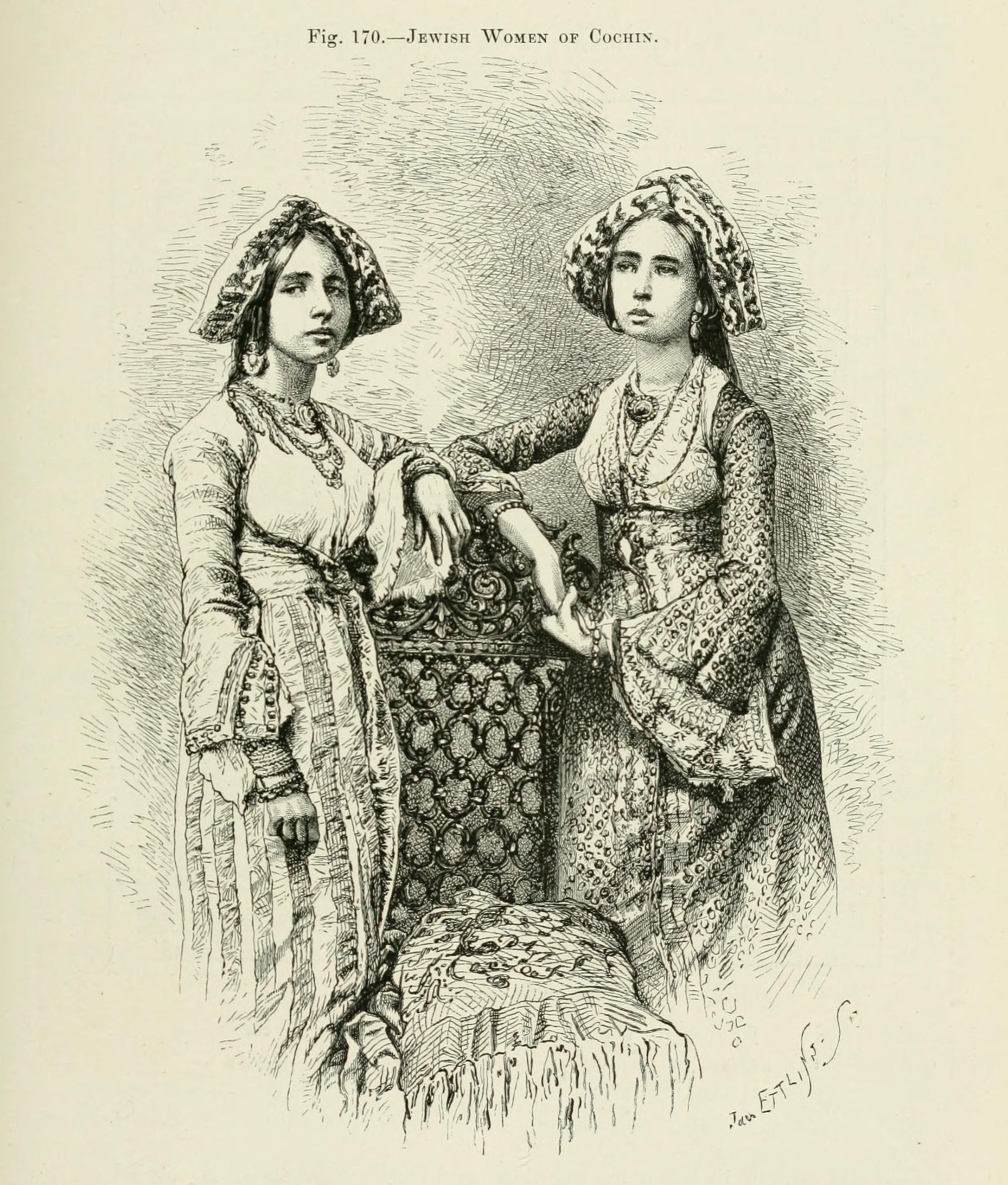
Music and performance have always been central to Indian Jewish life. From the synagogue chants of Cochin to the Bollywood careers of Bene Israel actors, Indian Jews have contributed to the performing arts of both India and Israel in ways that reflect their unique position at the intersection of two ancient civilizations.
Synagogue Music and Religious Chanting
Each Indian Jewish community developed a distinctive musical tradition for religious worship. The Cochin Jews developed a rich tradition of piyyutim (liturgical poems set to music) that blended Hebrew religious texts with Malayalam melodies. These songs, many of which date back centuries, were sung by women at home and by the entire congregation in the synagogue. The melodies show clear influence from both classical Carnatic music and older Middle Eastern Jewish traditions.
The Bene Israel of Maharashtra similarly developed their own musical tradition, incorporating Marathi folk melodies into Hebrew liturgy. Their unique melodies for prayers like the Shema and the Kol Nidre reflect the deep integration of the community into Maharashtrian culture while maintaining the core text of Jewish prayer.
Indian Jewish Performers in Bollywood and Theater
From the earliest days of Indian cinema, members of the Bene Israel community found roles as actors, directors, and musicians. In the silent film era and the first decades of talking pictures, Jewish actors were among the most prominent faces on the Indian screen.
Sulochana (born Ruby Myers, 1907-1983) was one of the highest-paid actresses in early Indian cinema, often referred to as the “Queen of the Silent Screen.” Born into a Bene Israel family in Pune, she became one of the biggest stars of the 1920s and 1930s before transitioning to character roles. Her career spanned over five decades and she received the Dadasaheb Phalke Award, India’s highest film honor, in 1973.
Pramila (born Esther Victoria Abraham, 1916-2006) was another pioneering actress from the Bene Israel community who became one of the leading stars of 1930s and 1940s Indian cinema. She was the first Miss India (1947) and had a long career in Hindi films before becoming a respected character actress.
Jewish Music Festivals and Cultural Events
In recent years, there has been a revival of interest in Indian Jewish music and performance traditions. The Paradesi Synagogue in Kochi hosts cultural events and concerts that showcase the unique musical heritage of the Cochin Jewish community. Researchers and performers in Israel have also worked to record and preserve the musical traditions brought from India by the various immigrant communities.
The Cochin Jewish Heritage Festival, held annually in Kochi, celebrates the cultural contributions of the Jewish community to Kerala’s history. These events typically feature performances of traditional piyyutim, exhibitions of Jewish artifacts, and discussions of the community’s history.
Dance and Theatrical Traditions
Indian Jewish cultural organizations in Israel have worked to preserve the dance and theatrical traditions that community members brought with them from India. Classical Indian dance forms including Bharatanatyam and Kathak are performed by Indian Jewish artists in Israel as expressions of cultural identity that bridge their Indian heritage and Jewish faith.
Theater has also been an important medium for Indian Jewish cultural expression. Plays performed in Marathi, Malayalam, and Hebrew have told the stories of Indian Jewish communities for both Indian and Israeli audiences, helping to preserve community memory across generations and geographies.
Source: Indian Jews, Wikipedia