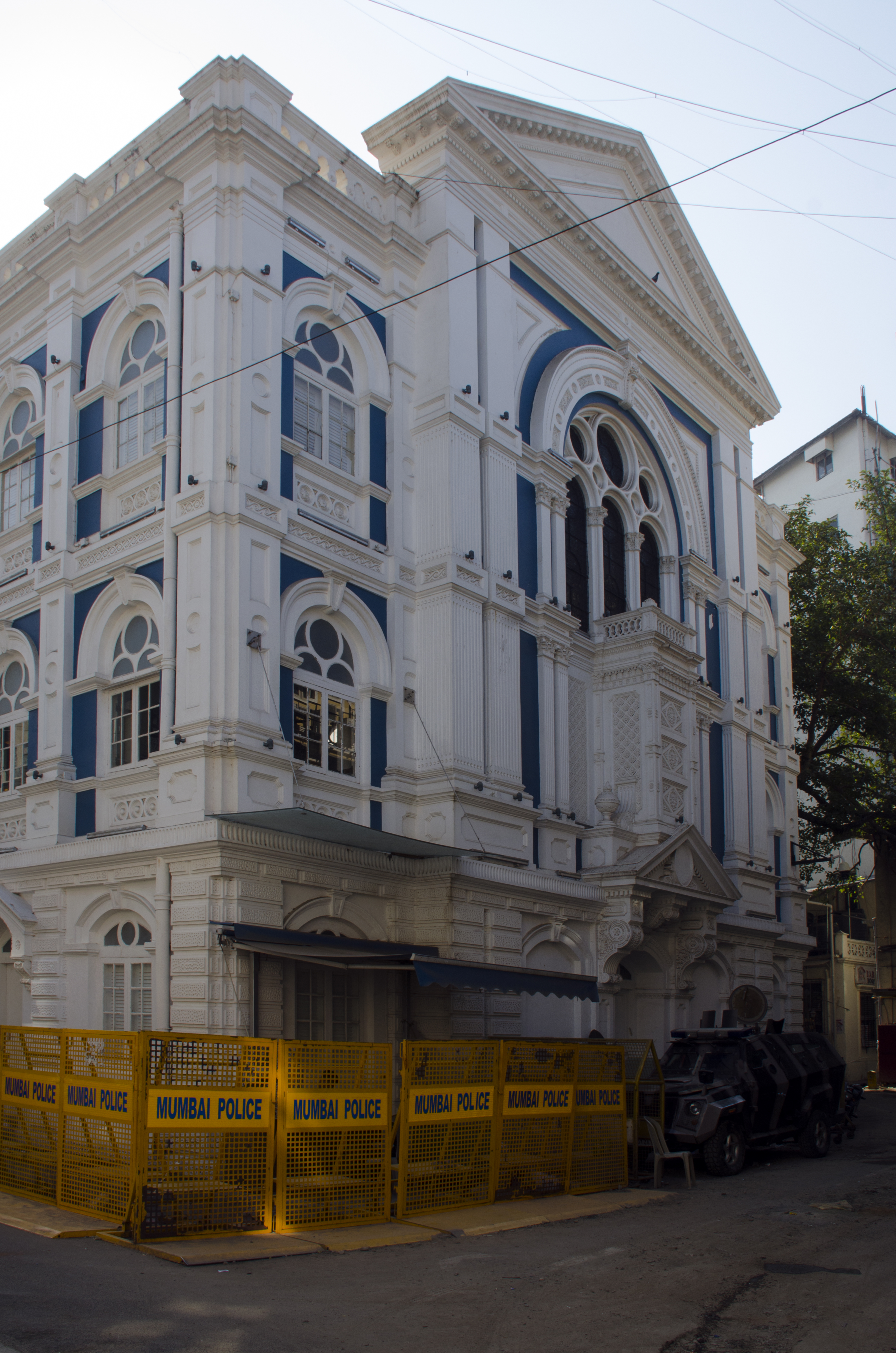
Sculpture and three-dimensional art have been important dimensions of Indian Jewish artistic expression, particularly in the modern era when artists from these communities began engaging with Western and Indian sculptural traditions alongside their Jewish heritage. The subject of “Mumbai’s Muslim Engraver at Work in the Jewish Cemetery” opens a window onto the world of Indian Jewish sculptors — artists whose work reflects the complex interplay of traditions that has characterized Indian Jewish cultural life throughout its history.
Craftsmanship and Interfaith Heritage Maintenance
One of the most moving aspects of Indian Jewish heritage maintenance is the role that craftspeople from other communities have played in maintaining the physical record of Jewish presence in India. The story of Muslim engravers and other craftspeople who have worked on Jewish cemeteries, synagogue repairs, and other Jewish heritage preservation tasks reflects the broader pattern of interfaith cooperation in the maintenance of India’s Jewish heritage.
Jewish cemeteries in Mumbai, Calcutta, Pune, and other cities where Jewish communities flourished are maintained today by caretakers and craftspeople from Muslim, Hindu, and other communities who have taken on this responsibility as the Jewish communities themselves have shrunk. Their work preserves the graves of generations of Indian Jews — the physical markers of lives lived in India, of contributions made to Indian society, of a presence that deserves to be remembered and honored.
The Craftsmanship of Memory
The skilled work of engravers, stonemasons, and other craftspeople on Jewish memorials and heritage sites in India represents a form of cultural service that transcends communal boundaries. The quality of this craftsmanship — the care taken with inscriptions, the maintenance of architectural elements, the preservation of decorative details — reflects a genuine respect for the heritage being maintained, regardless of the religious or cultural background of those doing the work.
This craftsmanship of memory is itself a testament to the relationships of mutual respect that characterized Jewish life in India for most of its history. The willingness of non-Jewish craftspeople to take on the work of maintaining Jewish heritage reflects the reality of communities that lived alongside each other for many generations, developing genuine mutual regard that outlasts the departure of the Jewish community itself.
Why Video Documentation Matters for Indian Jewish Heritage
Video and film documentation occupies a unique position in the effort to preserve Indian Jewish heritage. Unlike written texts, which can describe but cannot show, film captures the living reality of communities: the faces and voices of their members, the physical environment of their synagogues and homes, the sounds of their prayers and songs. When we watch documentary footage of an elderly Cochin Jewish woman lighting Shabbat candles, or listen to a recording of Bene Israel Jews singing Marathi kirtans in their synagogue, we encounter something that no written description can fully convey.
The urgency of this video documentation cannot be overstated. The communities whose lives are being documented are shrinking rapidly. The elderly men and women who hold living memories of what Jewish life in India actually looked like and sounded like are passing away. Every video document that is made and preserved represents an irreplaceable record for future generations who will have no opportunity to encounter these communities in their living form.
The Growing Archive of Indian Jewish Video Documentation
A substantial body of video and film documentation of Indian Jewish communities now exists, the result of decades of work by scholars, community members, professional filmmakers, and documentary enthusiasts. This archive ranges from professional documentary films to home videos made by community members for family records, to scholarly recordings made by ethnomusicologists and anthropologists for academic archives.
The scholarly recordings are particularly valuable for their systematic coverage of specific aspects of community life that might not attract professional documentary attention — the details of liturgical practice, the specific melodies used for prayers, the domestic rituals associated with Shabbat and the festivals, the techniques of traditional cooking. This level of detail provides the most complete picture available of how Indian Jewish life actually worked in its final generations of active presence in India.
Reaching New Audiences Through Video
Video documentation of Indian Jewish communities serves not only archival purposes but also educational and community-building functions. Documentaries and video recordings about Indian Jews have been screened in Jewish community centers, synagogues, universities, and film festivals around the world, introducing this history to audiences who might otherwise never encounter it. For members of the Indian Jewish diaspora in Israel, North America, and elsewhere, these films create opportunities to see their heritage represented on screen and to share it with friends and colleagues from outside the community.
The internet and streaming platforms have greatly extended the reach of this video documentation, making it accessible to interested viewers around the world regardless of geography. A Bene Israel family in Tel Aviv can watch a documentary about their community’s history in Maharashtra; a scholar in New York can study archival footage of Cochin Jewish religious practice; a student in Mumbai can access recordings of Baghdadi Jewish music from the mid-twentieth century. This global accessibility is transforming the preservation and transmission of Indian Jewish heritage in ways that would have been unimaginable even a generation ago.

