
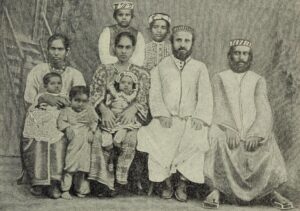
The Jewish community of Cochin — known as the Cochin Jews or Malabar Jews — is one of the oldest Jewish communities in the world, with traditions that trace their settlement in Kerala back over two thousand years and perhaps much longer. The story of “The Jews of Cochin: Brahmin Passover, Maharajah Simhat Torah, and Caste Behavior” opens a window onto a community that combined ancient heritage with remarkable resilience and cultural creativity, developing a way of life that was simultaneously deeply Jewish and thoroughly embedded in the unique civilization of Kerala.
Social Divisions and Caste Behavior
The internal social organization of the Cochin Jewish community reflected, in some ways, the caste-structured society of Kerala in which it was embedded. The major division within the community was between the Paradesi (foreign/white) Jews and the Malabari or Black Jews, with the former maintaining a strict separation from the latter based on claims of purer Jewish descent and more recent connection to other Jewish communities.
These distinctions had practical consequences: the two groups maintained separate synagogues, did not intermarry, and observed different social customs. The Paradesi Jews considered themselves religiously superior and resisted the full participation of Malabari Jews in Paradesi communal institutions. These internal tensions mirrored the broader patterns of exclusion and hierarchy that characterized the caste system of the surrounding society, even though Jewish law does not recognize caste distinctions and the community’s religious doctrine emphasized the equality of all Jews.
Relations with the Kerala Maharajahs
One of the most distinctive features of Cochin Jewish history is the extraordinary protection and privilege that the community received from the local rulers of Cochin. The famous copper plates inscribed by the Raja of Cochin granted rights and privileges to the Jewish merchant Joseph Rabban and his descendants, recognizing the Jewish community’s right to residence, trade, and self-governance. This royal protection was exceptional even by the generally tolerant standards of traditional Hindu-Jewish relations, and it contributed significantly to the community’s stability and prosperity over centuries.
The relationship between the Cochin Jewish community and the local maharajahs was maintained across many centuries and successive rulers. The Jewish community participated in royal ceremonies and celebrations, and the maharajahs in turn honored the community’s festivals and traditions. The Cochin Jewish Simhat Torah celebration became legendary for its festive character — a joyful occasion that community members describe as particularly beloved by the maharajahs themselves.
Preserving Indian Jewish Heritage for Future Generations
The task of preserving Indian Jewish heritage is one of the most urgent cultural projects in the contemporary Jewish world. As the communities that created this heritage continue to shrink through emigration and natural attrition, the window for capturing living memories, traditional practices, and community knowledge is narrowing rapidly. Every year, elderly community members pass away, taking with them irreplaceable firsthand knowledge of how Jewish life was actually lived in the Bene Israel villages of Maharashtra, the Jewish neighborhoods of Cochin, or the commercial districts of Calcutta and Bombay where Baghdadi Jewish families built their businesses and synagogues.
The response of scholars, community organizations, and cultural institutions to this challenge has been energetic and multifaceted. Oral history projects have recorded interviews with elderly community members in India, Israel, and the diaspora. Digital archives have made historical photographs, documents, and recordings accessible to researchers and community members around the world. Museum exhibitions have introduced Indian Jewish heritage to audiences who might otherwise never encounter it. And writers, artists, and filmmakers from within and outside the community have created new works that carry Indian Jewish stories and traditions into the contemporary cultural conversation.
The Place of Indian Jews in the Larger Jewish Story
The history of India’s Jewish communities occupies a distinctive and important place in the broader story of the Jewish diaspora. Unlike the often traumatic histories of Jewish communities in Europe and the Middle East — marked by persecution, pogroms, forced conversions, and the Holocaust — the Indian Jewish story is predominantly one of peaceful coexistence, communal autonomy, and cultural creativity within a tolerant host society. This positive experience does not diminish or contradict the difficult experiences of other Jewish communities; it demonstrates that the relationship between Jews and their host societies is shaped by specific historical circumstances rather than by any inevitable dynamic of conflict.
The Indian Jewish communities offer evidence that Jewish identity can be maintained across many centuries of geographic isolation and cultural interchange without requiring either segregation from the surrounding society or assimilation into it. The Bene Israel maintained their Jewish identity across what may be two thousand years of life in Maharashtra while becoming genuinely Indian in language, culture, and social orientation. The Cochin Jews built a thriving community under the protection of local Hindu rulers while maintaining Hebrew literacy and connections to the broader Jewish world. The Baghdadi Jews created cosmopolitan communities in Calcutta and Bombay that participated fully in both the British imperial system and the commercial networks of the Indian Ocean world while maintaining the religious traditions of the ancient Jewish communities of Iraq.