
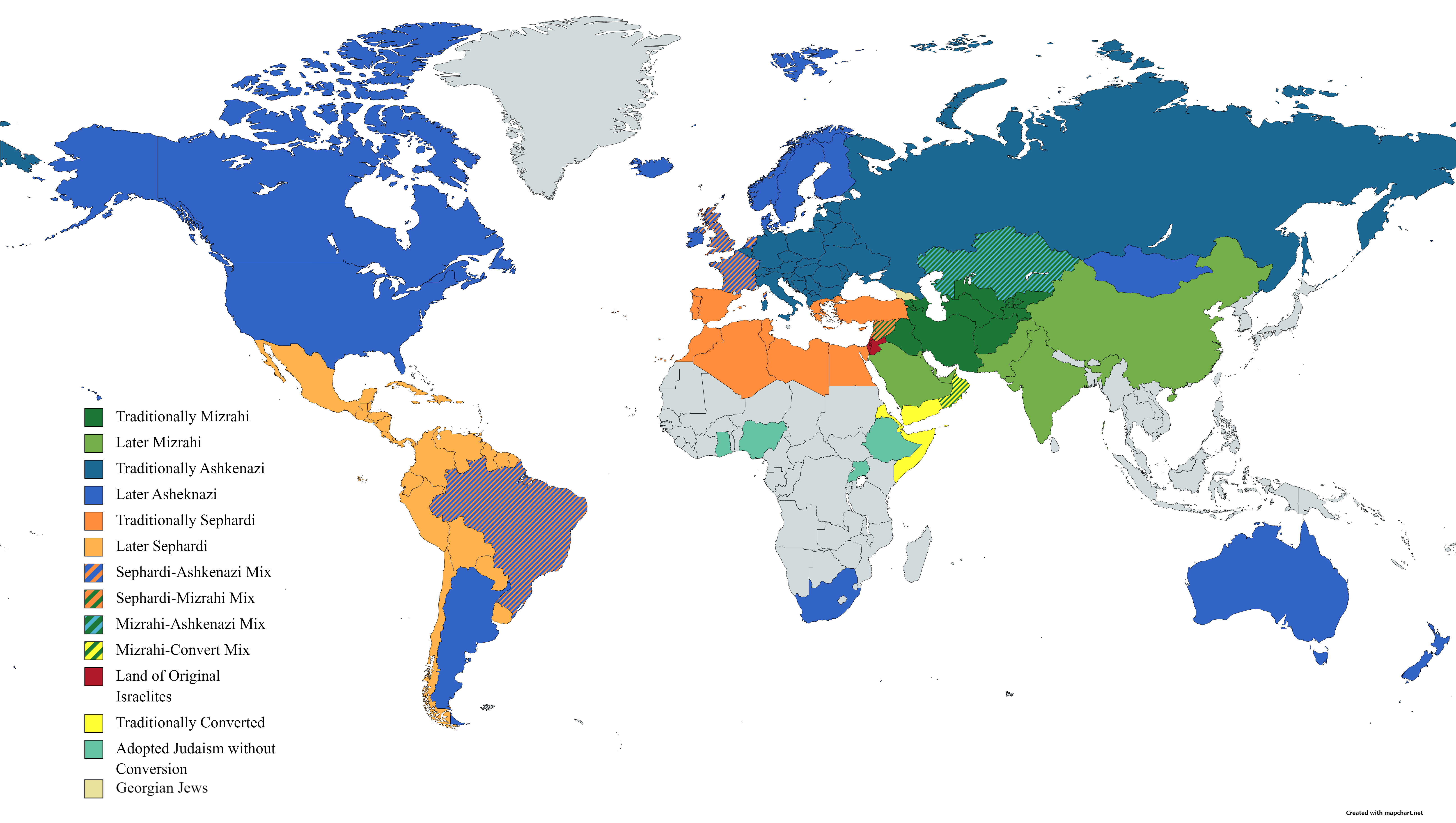
Chaim Raphael’s The Road from Babylon: The Story of Sephardi and Oriental Jews, published by Weidenfeld and Nicolson in London and Harper and Row in the United States in 1985 at 294 pages, offers a sweeping popular history of the branches of world Jewry that trace their heritage to the ancient Middle East and to the Sephardic diaspora following the 1492 expulsion from Spain, rather than to the Ashkenazi Jewish communities of Central and Eastern Europe more commonly featured in popular Jewish historical writing. Within this broad canvas, Raphael’s book gives specific attention to India’s Jewish communities, the Bene Israel, the Cochin Jews, and the Baghdadi Jews of Bombay and Calcutta, as one significant strand within the larger global story of Jewish communities that developed outside the Ashkenazi European mainstream.
A Prolific Popular Historian of Jewish Life
Raphael built a substantial body of accessible, general-readership books on Jewish history and culture over his career, including A Feast of History (1972), The Walls of Jerusalem: An Excursion into Jewish History (1968), and The Springs of Jewish Life (1982), establishing a consistent pattern of engaging, well-researched popular history aimed at bringing Jewish historical and cultural subjects to a broad general audience rather than a narrowly academic one. The Road from Babylon extended this approach to the specific and, for many general readers of the 1980s, relatively unfamiliar subject of Sephardi and Oriental Jewish history, a corrective to popular Jewish historical writing’s frequent tendency to treat Ashkenazi European experience as representative of world Jewry as a whole.
India Within a Global Sephardi and Oriental Story
By situating India’s Jewish communities within this broader Sephardi and Oriental framework, Raphael’s book performs a valuable comparative service: allowing general readers to see the Bene Israel, Cochin Jews, and Baghdadi Jews not in isolation, as many India-specific studies necessarily treat them, but alongside other non-Ashkenazi Jewish communities across the Middle East, North Africa, and Asia, including the Jews of Iraq, Yemen, Persia, and the broader Sephardic world descended from Iberian expulsion. This comparative framing highlights both what India’s Jewish communities shared with other Sephardi and Oriental Jewish populations, patterns of relative isolation from Ashkenazi religious authority, distinctive local cultural adaptation, and eventual large-scale emigration to Israel following 1948, and what distinguished them, particularly the multi-millennial antiquity of Cochin Jewish settlement and the unusual, still-debated origins of the Bene Israel.
A Book for General Readers
Written explicitly as a popular history rather than an academic monograph, The Road from Babylon aimed to introduce general readers, many of whom would have had extensive familiarity with Ashkenazi European Jewish history but comparatively little exposure to the histories of Sephardi and Oriental Jewish communities, to this broader and more geographically diverse story of world Jewry. For India’s Jewish communities specifically, inclusion within a popularly accessible, broadly circulated general history of this kind offered valuable visibility to readers who might never otherwise encounter dedicated academic or specialist literature on the Bene Israel, Cochin Jews, or Baghdadi Jews, situating their history within a global narrative context that made clear these communities were not isolated curiosities but part of a much larger, coherent pattern of Jewish life beyond the Ashkenazi European experience.
Complementing Specialist Scholarship
Raphael’s broad, comparative approach necessarily meant that his treatment of any single community, including India’s Jewish populations, could not match the depth of the specialist academic literature produced by scholars like Nathan Katz, Shirley Isenberg, or J. B. Segal, each of whom devoted entire careers or substantial research projects to India’s Jewish communities specifically. Rather than competing with this specialist scholarship, The Road from Babylon served a complementary function, offering general readers a broader comparative frame within which the more detailed, community-specific academic literature on Indian Jewry could be situated and understood, connecting India’s Jewish story to the wider, still underappreciated history of Sephardi and Oriental Jewish communities across the globe.
Correcting an Imbalance in Popular Jewish History
Much of the popular literature on Jewish history published for English-language general readers throughout the twentieth century concentrated heavily on the Ashkenazi European experience, from the shtetls of Eastern Europe through the Holocaust to the establishment of Israel, reflecting both the demographic weight of Ashkenazi Jews within the English-speaking Jewish world and the particular intensity of scholarly and popular attention paid to the European Jewish catastrophe of the twentieth century. This concentration, while understandable given the scale of Ashkenazi Jewish history’s most consequential and well-documented chapters, left significant gaps in general public understanding of the roughly half of world Jewry, prior to the massive population shifts following Israel’s establishment, that traced its heritage to Sephardic and Middle Eastern and Asian Jewish communities rather than to Ashkenazi Europe.
Raphael’s book worked explicitly to address this imbalance, and his inclusion of India’s Jewish communities within this corrective project reflects a recognition that these communities, despite their small absolute numbers, represented a historically and culturally significant thread within the broader Sephardi and Oriental Jewish story that deserved wider popular recognition beyond the specialist academic circles that had, by 1985, already begun producing serious scholarship on the Bene Israel, Cochin Jews, and Baghdadi Jews specifically.
The Value of Comparative Popular History
Books like Raphael’s, which attempt broad comparative coverage across multiple non-Ashkenazi Jewish communities within a single accessible volume, occupy a distinctive and valuable niche within the literature on world Jewish history: they cannot match the depth of specialist single-community studies, but they perform the equally important function of helping general readers understand how seemingly disparate and geographically scattered Jewish communities, from Baghdad to Cochin to Casablanca to Sanaa, relate to one another as part of a coherent, if internally diverse, broader historical and cultural story of Jewish life outside the Ashkenazi European mainstream. For India’s Jewish communities specifically, this kind of comparative popular treatment offered a valuable form of visibility and contextualization that purely India-focused literature, however more detailed and specialized, could not by itself provide.
A Lasting Contribution to Popular Jewish History
Four decades after its publication, The Road from Babylon remains a readable and useful introduction for general readers seeking to understand India’s Jewish communities within the fuller global context of Sephardi and Oriental Jewish history, complementing rather than replacing the more specialized academic literature that has continued to develop around the Bene Israel, Cochin Jews, and Baghdadi Jews specifically. Raphael’s broader career as a popular historian of Jewish life and culture, producing accessible works across more than two decades, situates this particular book within a substantial body of work dedicated to making Jewish history, in its full geographic and cultural diversity, available and engaging to general English-language readers who might otherwise have encountered only the more familiar Ashkenazi European narrative.
Placing India Alongside Other Diaspora Chapters
Raphael’s comparative structure invites readers to consider what India’s Jewish communities shared with other Sephardi and Oriental Jewish populations his book covers: a historical trajectory largely independent of Ashkenazi rabbinic authority and European Jewish institutional life, distinctive local cultural adaptation shaped by centuries of coexistence with a non-Jewish majority population, and, in the twentieth century, a shared pattern of mass emigration to Israel that dramatically reduced Jewish populations across the entire Sephardi and Oriental world, from Baghdad and Cairo to Bombay and Cochin, within the span of a few decades. Reading India’s Jewish history alongside these other, geographically distant but structurally comparable Jewish communities allows for a richer understanding of patterns that a purely India-focused study might present as unique to the subcontinent, when in fact similar dynamics of isolation, adaptation, and eventual mass emigration played out across much of the non-Ashkenazi Jewish world during the same historical period.
For readers new to the subject of India’s Jewish communities, encountering them first within Raphael’s broader comparative framework, rather than through a dedicated India-specific study, can provide a useful orienting context before moving on to the more detailed specialist literature that scholars of Indian Jewry have continued to produce in the decades since Raphael’s book first appeared.